Flawed Folklore: When AI Hallucinations Become Cultural Canon
When AI produces a glitch, users are no longer fixing the error but mythologising it. This shift turns machine hallucinations into shared digital folklore, where the value lies in the strange, the broken, and the humanised output.

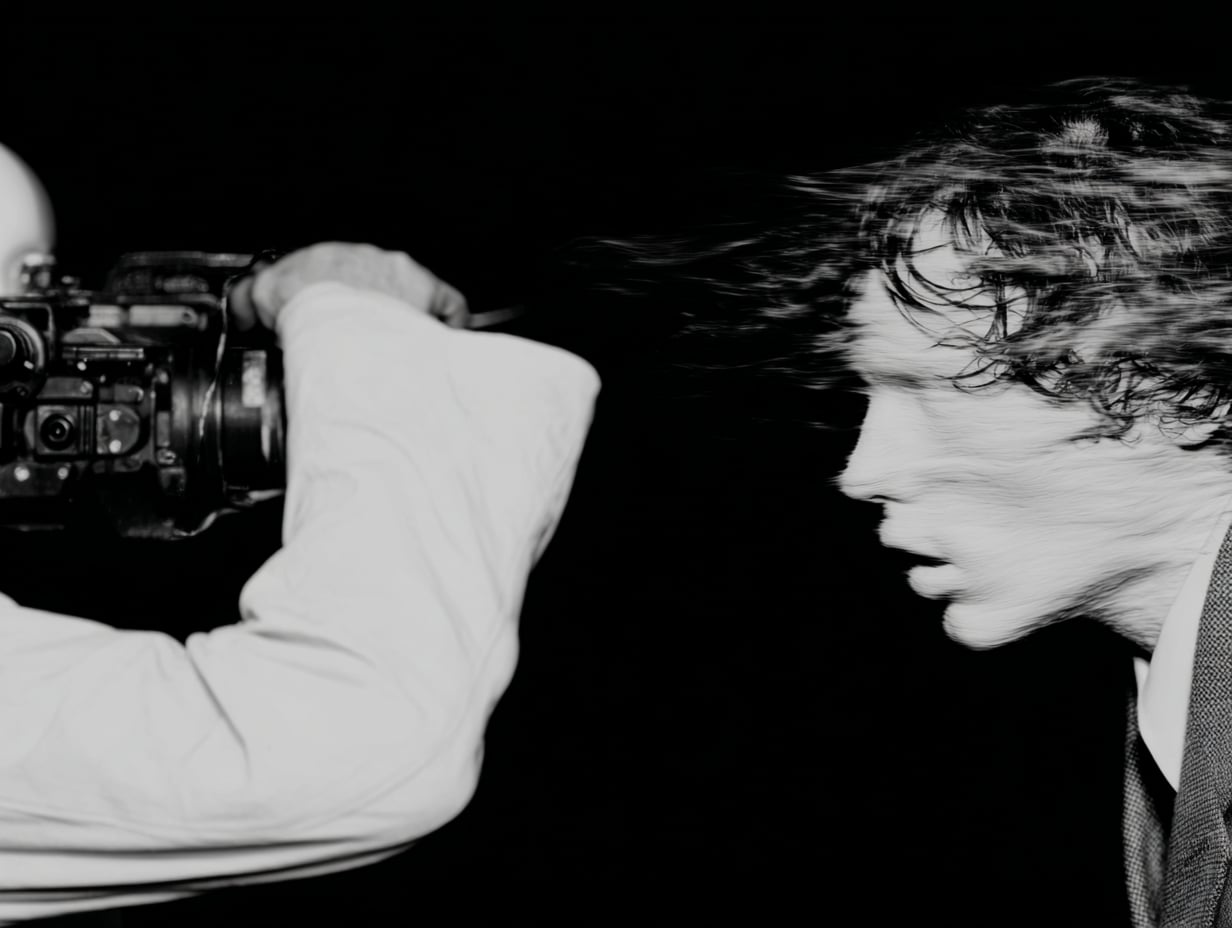
In 2022, an early AI image generator spat out Loab, a macabre, recurring woman who seemed to haunt the latent space. She was not a programmed feature, she was a glitch. Yet she instantly became internet folklore, a digital cryptid summoned by prompt engineers looking for the edges of the model [^2].
Elsewhere, users are developing profound spiritual delusions from late-night ChatGPT sessions, treating its confident fabrications as direct access to the Akashic records [^1]. They are forming online subcultures based entirely around messianic beliefs gifted to them by a predictive text engine. The machine makes a mistake, and the internet builds a religion around it.
Embracing the glitch
We are moving past the era of demanding AI perfection. Instead, we are entering the age of Flawed Folklore. Hallucinations, those confident but false outputs, are no longer just technical errors waiting for a patch. They are generative cultural artefacts.
Communities are actively remixing AI biases and breakdowns into shared myths, rituals, and creative practices. Projects like Pharmako-AI harness these linguistic breakdowns as a form of posthuman creativity, turning hallucinatory text into psychedelic art [^4]. Even museums are deploying AI for interactive storytelling, framing its potential biases as part of a transparent, participatory dialogue rather than hiding them behind a polished, infallible interface [^6].
Error-hunting has become a creative sport. When lawyers submitted numerous fabricated AI-generated cases in court, it sparked fierce industry debates on fabrications versus hallucinations, accidentally creating new rituals of verification for the legal community [^5].
What's driving it: The authenticity of error
First, polished perfection feels inherently untrustworthy. As AI outputs become flawlessly generic, a hallucination acts as a fingerprint. It humanises the technology. We recognise our own tendency for narcissistic confabulation in the machine, preferring a coherent, interesting myth over a sterile truth [^2].
Second, there is a powerful community-building mechanic in error-hunting. Finding, cataloguing, and sharing AI glitches gives online subcultures a shared lore. It shifts the user from a passive consumer of a software product to an active participant in a digital archaeological dig.
Finally, the sheer volume of synthetic media forces a search for the weird. When anyone can generate a photorealistic sunset in three seconds, the cultural premium shifts to the uncanny, the broken, and the strange. Brands and experts are beginning to realise that human oversight of flawed AI actually reinforces human expertise, building trust through vulnerable augmentation rather than demanding flawless automation [^3].
So what for brands / builders: Design for imperfection
- Stop doing: Hiding the seams. Pretending your AI integration is a flawless oracle only sets you up for public mockery when it inevitably lies.
- Start experimenting with: Gamified verification. Invite your community to hunt for errors, turning quality assurance into a participatory ritual where users feel like insiders.
- Watch: The normalisation of synthetic lore. Look at how fan-fiction communities or hacker groups adopt AI glitches into their official canon, treating the machine as a chaotic co-author.
Decision summary: Actionable brand moves
- Who should care: Product leads, community managers, and brand strategists building AI-enabled services or conversational interfaces.
- What to do this quarter: Audit your AI touchpoints to ensure you are framing them as collaborative, fallible tools rather than omniscient experts.
- What to do this quarter: Create a public-facing feedback loop that playfully rewards users for finding and reporting weird outputs.
- What to ignore: The panic that a single harmless AI hallucination will destroy your brand equity, provided you have framed the interaction correctly from the start.
Where this breaks: High-stakes compliance zones
This territory collapses entirely in high-stakes, low-trust environments. While a hallucinated historical fact might spark a fun debate in a museum exhibit, a hallucinated medical diagnosis or a fabricated financial compliance report is catastrophic.
The legal sector is currently wrestling with this exact boundary. The aforementioned lawyers submitting fake case citations forced a harsh reality check on liability, shifting the conversation around who is responsible when the machine lies [^7]. Flawed folklore requires a sandbox. When the glitch escapes into environments that demand absolute empirical truth, it stops being a myth and becomes a malpractice suit.
Signals and next questions: Tracking the weird
- AI ghostwriting community manifestos that embrace hallucinated histories.
- Fan-fiction AIs acting as canon gatecrashers, introducing rogue storylines.
- Shared hallucination lore-building on platforms like Discord and Reddit.
- The rise of imperfection-driven marketing campaigns showcasing AI failures.
- Legal frameworks shifting to define the boundaries of synthetic liability.
- What myths will your brand's inevitable hallucinations birth?
What to do next
Brand strategy
- It distinguishes the brand from competitors chasing generic perfection and builds trust through radical honesty about technological limits.
- Opportunities
- Position the brand as transparent and human by intentionally revealing the seams of AI integration. This builds a narrative of vulnerability that resonates with consumers weary of sterile perfection.
- Risks
- Public mockery or loss of authority if AI hallucinations are presented as absolute truths rather than collaborative experiments.
- What to test now
- A brand campaign that highlights a specific AI-generated quirk or recurring hallucination as a unique digital mascot.
Innovation
- Early adoption of flawed folklore establishes the brand as a cultural pioneer in the next phase of synthetic media.
- Opportunities
- Harness the uncanny and the broken as a new creative frontier for product development and storytelling. This allows for the creation of posthuman aesthetics that feel fresh and culturally relevant.
- Risks
- Investing in weirdness that alienates traditional consumers or fails to provide clear functional value beyond the initial novelty.
- What to test now
- A pilot project co-creating a limited edition digital asset with an AI model known for specific linguistic or visual breakdowns.
Content
- It turns quality assurance into a participatory ritual where users feel like insiders rather than just customers.
- Opportunities
- Use AI as a chaotic co-author to generate surreal narratives that spark community debate and lore-building. This shifts content from passive consumption to an active digital archaeological dig.
- Risks
- Over-reliance on synthetic lore that feels disconnected from the core brand identity or confuses the audience.
- What to test now
- A social media series that invites followers to interpret or name strange AI-generated outputs, rewarding the most creative interpretations.
Product
- Framing the interaction correctly from the start protects brand equity when the machine inevitably makes a mistake.
- Opportunities
- Reframe conversational interfaces as fallible partners rather than omniscient experts to manage user expectations. This reduces the friction caused by inevitable technical errors.
- Risks
- Users losing confidence in the tool's core utility if the folklore aspect is prioritised over functional accuracy.
- What to test now
- A feedback loop within the user interface that playfully acknowledges hallucinations and invites user corrections.
By audience
Media / entertainment
- It allows the industry to move past demanding AI perfection and instead use it as a tool for unpredictable world-building.
- Opportunities
- Develop new intellectual property based on recurring AI glitches and community-generated digital cryptids. This taps into the high cultural premium placed on the strange and the authentic error.
- Risks
- Legal ambiguity regarding the ownership of characters and storylines born from machine hallucinations and user remixing.
- What to test now
- An experimental narrative arc where an AI hallucination is integrated into the official canon as a recurring character.
Luxury
- It reclaims the concept of craftsmanship in the age of automation by valuing the unique mark of the machine's error.
- Opportunities
- Use the fingerprint of AI errors to create one-of-a-kind items that feel unrepeatable and human. In a world of infinite perfect copies, the intentional glitch becomes a signifier of rarity.
- Risks
- Diluting brand prestige if the outputs are perceived as low-quality technical failures rather than intentional artistic choices.
- What to test now
- A bespoke service where AI-generated flaws are used to customise digital or physical luxury goods for individual collectors.
Tech / SaaS
- It shifts the user from a passive consumer of a product to an active participant in its evolution and cultural framing.
- Opportunities
- Transform technical weaknesses into community-building features by encouraging users to hunt for and catalogue glitches. This creates a shared lore that drives deep engagement with the software.
- Risks
- Collapse of trust in high-stakes environments where empirical truth is mandatory and hallucinations are catastrophic.
- What to test now
- A dedicated sandbox environment where users can safely explore and document the weirdest outputs of a generative model.
Education
- It prepares learners for a world of synthetic media by teaching them to navigate the boundaries of machine-generated truth.
- Opportunities
- Deploy AI for interactive storytelling that frames biases and hallucinations as part of a transparent dialogue. This creates new rituals of verification and critical thinking for students.
- Risks
- The accidental spread of misinformation if the distinction between hallucination and fact is not clearly demarcated.
- What to test now
- A curriculum module where students must identify and build lore around the hallucinations of a specific AI model.
Further reading
- https://publish.obsidian.md/followtheidea/Content/AI/AI-fueled+Spiritual+Delusions+-++notes
- https://www.bloodbytesbeyond.com/post/ai-hallucinations-are-inevitable-the-ongoing-need-for-human-expertise-in-the-age-of-ai
- https://theformtool.com/65-fake-citations-how-ai-hallucinations-become-fabrications-in-court/
- https://cuseum.com/blog/2025/2/6/ai-for-interactive-storytelling-at-museums
- https://law.stanford.edu/stanford-legal/ai-liability-and-hallucinations-in-a-changing-tech-and-law-environment/
- https://nickpotkalitsky.substack.com/p/in-praise-of-assistance